AFTER DESIGN FRAMEWORKS 


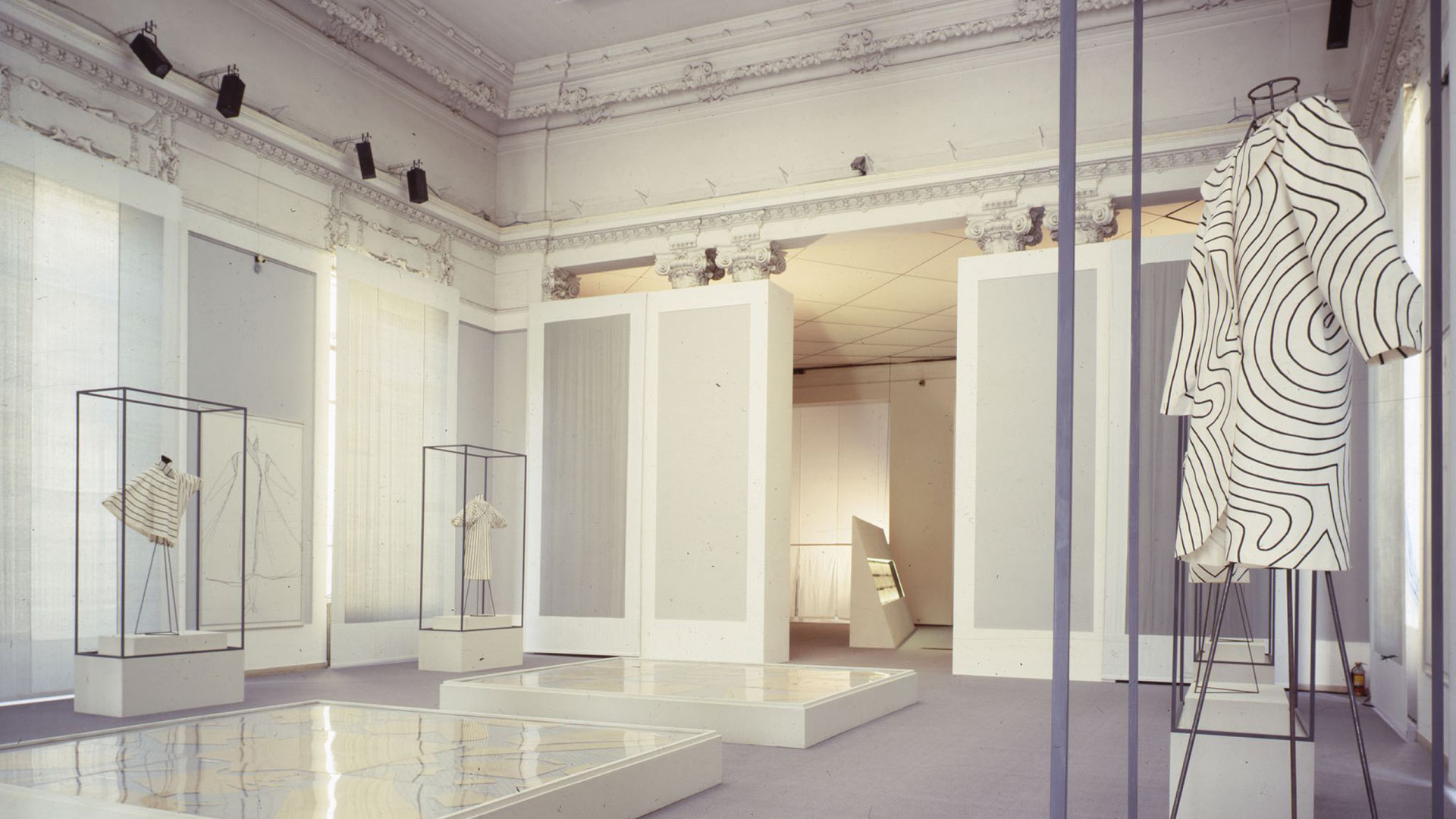
As the accompanying text from 1985 explains, this room serves as an introduction to the exhibition, presenting the key stages of the working process. There is nothing to add to what was written then, which clearly sets out every step: from sketches to patterns and toiles. These stages remain unchanged today and are displayed in exactly the same way
This room, that today can be seen as the opening of the exhibition or not (depending on the route one follows) carries a significance that resonates more strongly than ever, as it points back to the design framework from which things take shape: the architectural idea that exists in the space between garment and body
(2026)

The first room stands as an introduction to the exhibition and offers a concise overview of its themes through just a few elements that are nonetheless highly evocative and visually compelling. Deliberately bright and neutral, the space highlights three key stages of the creative process, explored in greater detail in the rooms that follow. This room is intentionally static and austere, defined by a hermetic graphic language of black, white and grey, it focuses on form alone, without any hint of the materials from which the garments are ultimately made. The only deliberate departure from scale lies in the four monumental enlargements of sketches that could be considered K.L.'s signature motifs
(1985)

THE 1985 ROOM

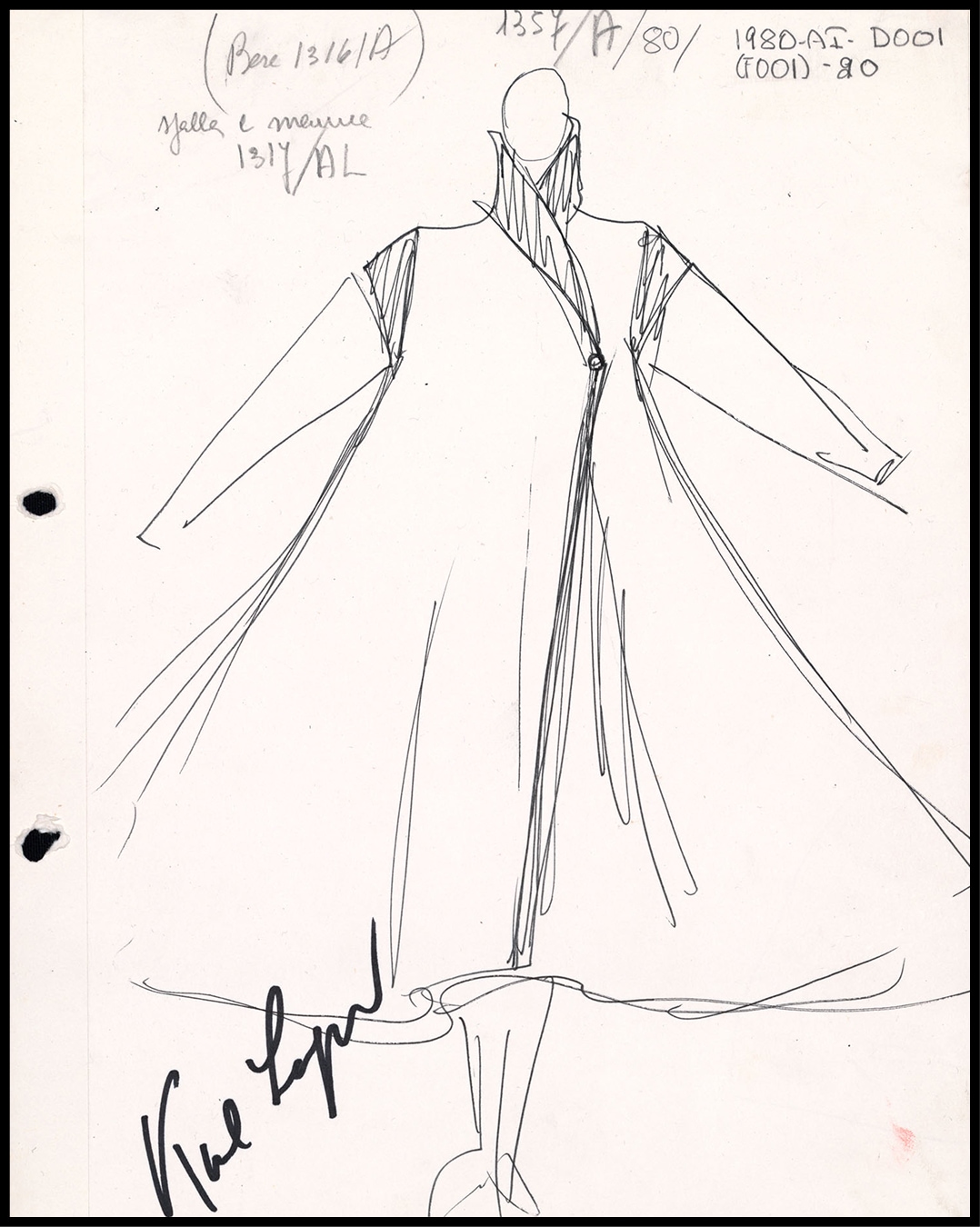
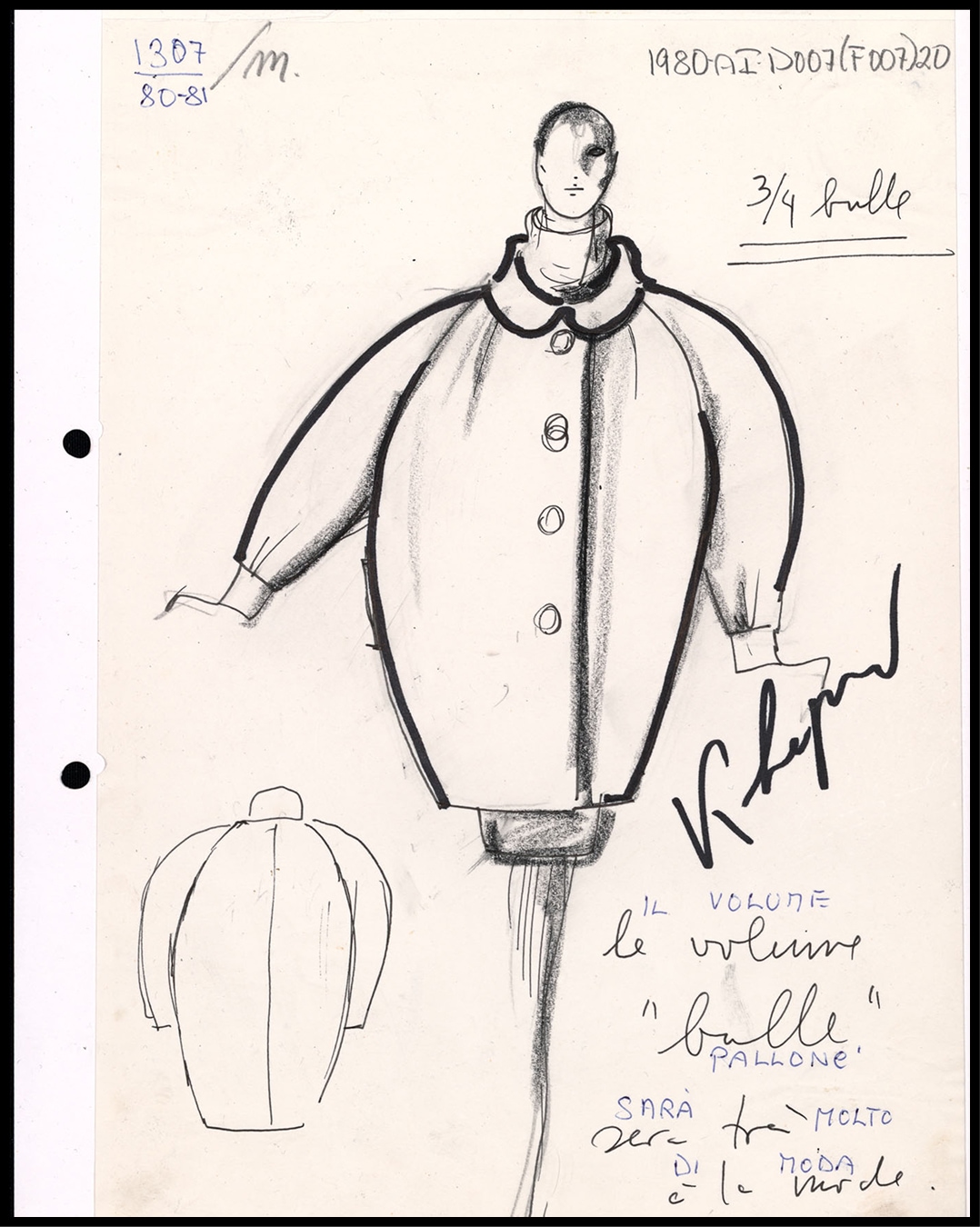
SKETCHES

These four forms were chosen for their rapid, abbreviated style, free from detail and any association with a specific period. As such, they are displayed without a date. Instead, they embody recurring approaches to volume and to the placing of figures in space —characteristic of K.L.'s creative vision and developed in many different ways across his twenty-year collaboration with Fendi. Among them are the voluminous balloon silhouette, the generous flare that opens out from an otherwise streamlined silhouette, the redingote and the sequence of three graduated lengths. The sense of estrangement created within the gallery is a result of the exaggerated scale of these drawings. All other elements are displayed at their original scale and consist of actual toiles and working patterns
(1985)

Image-1
Image-2

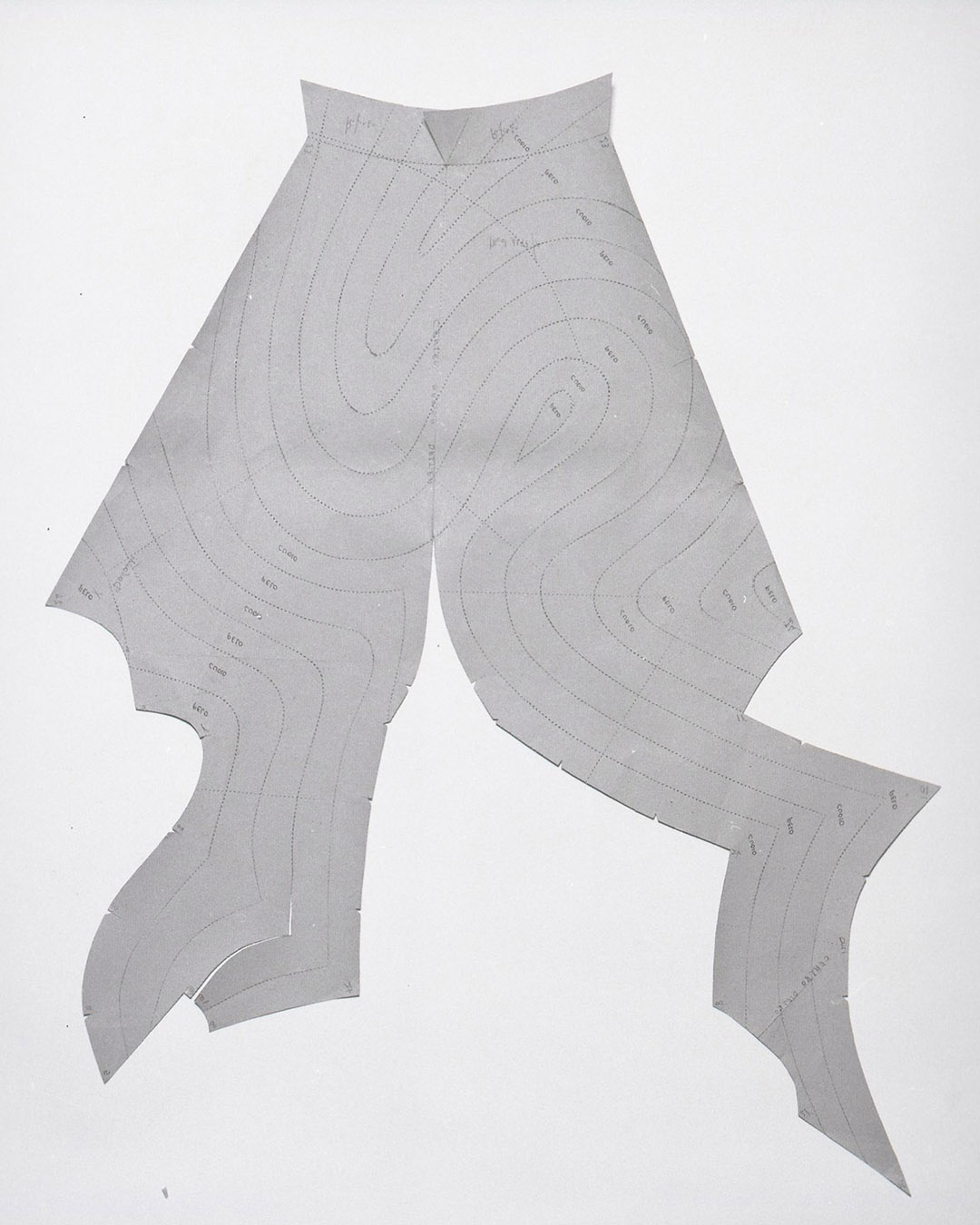
PATTERNS

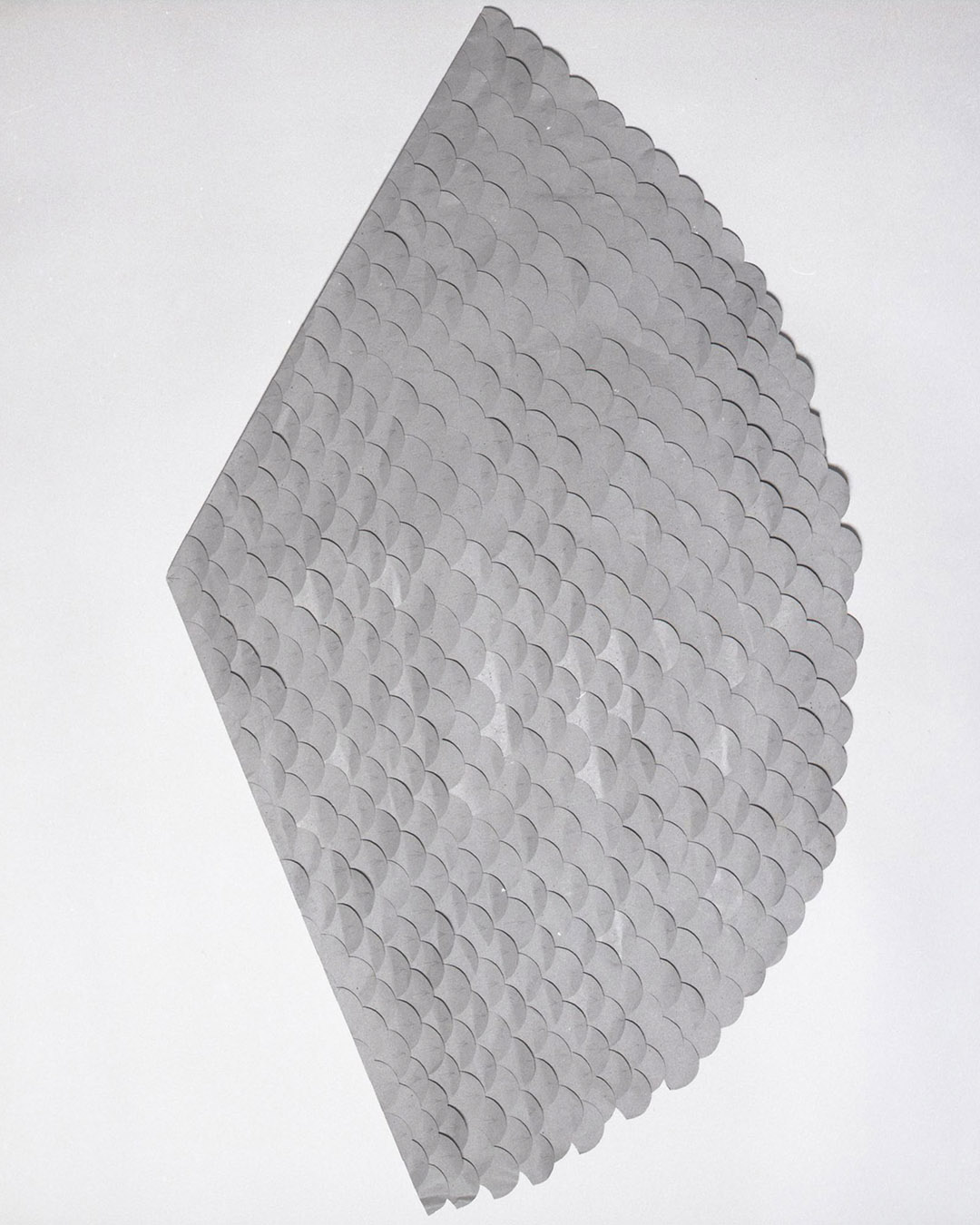
The two large central basins contain the working patterns, laid upon a bed of metal pins, the same ones used to secure the individual fur sections to the pattern itself. These are authentic pattern pieces, created by dismantling the toile and enriched with the technical information required to construct the fur garment. The cuts, overlapping sections and numbers pencilled onto the surface all form part of a complex technical process that must take into consideration the material to be used, the quantity of material required and the specific techniques that will be applied to the finished garment

This room therefore invites two distinct readings: the first is formal and graphic, defined by line and emphasized by the sparse display structures and stylized iron mannequins; the second is highly technical and not immediately evident to the untrained eye, which nevertheless can appreciate its evocative quality
(1985)

05
06

TOILES

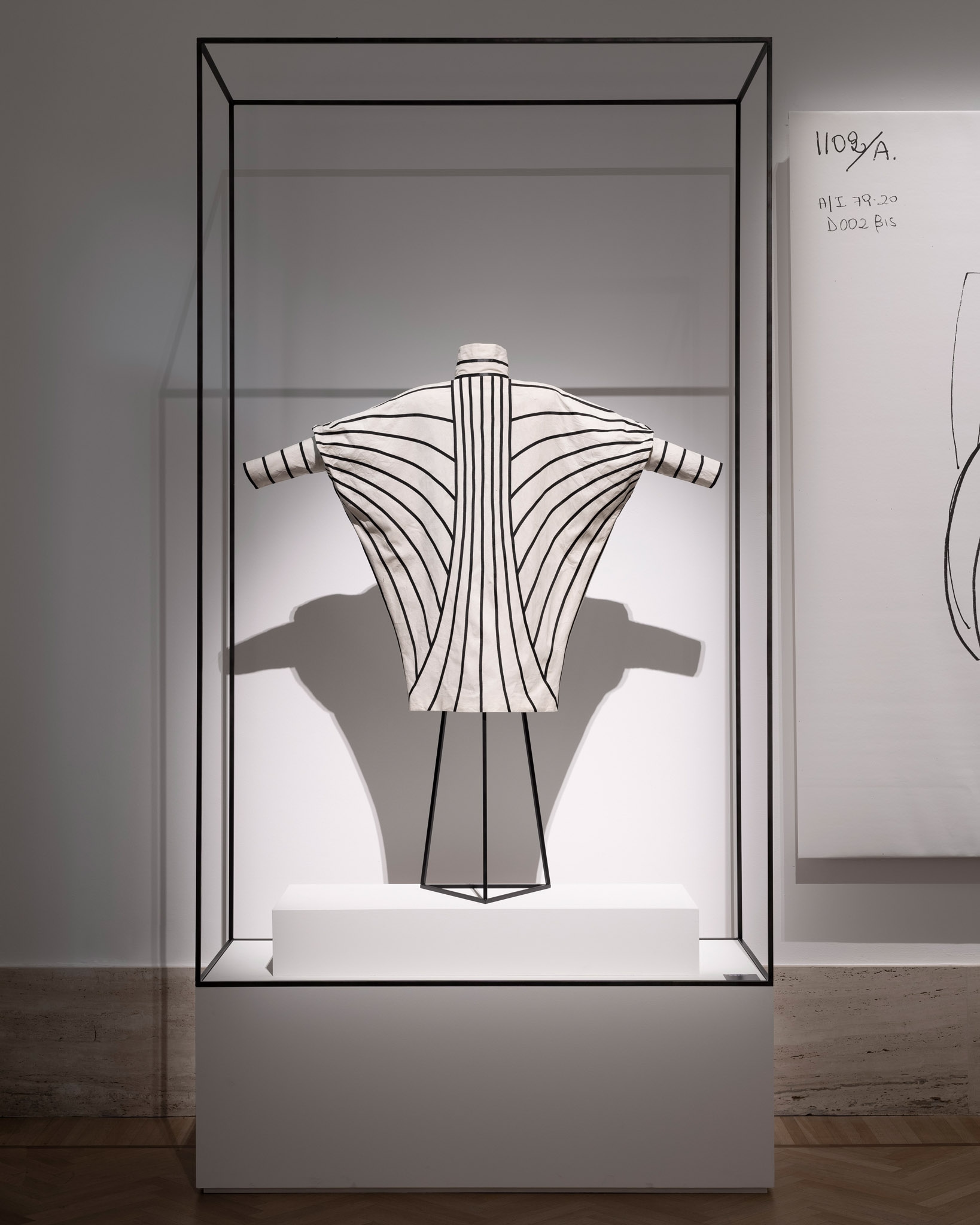
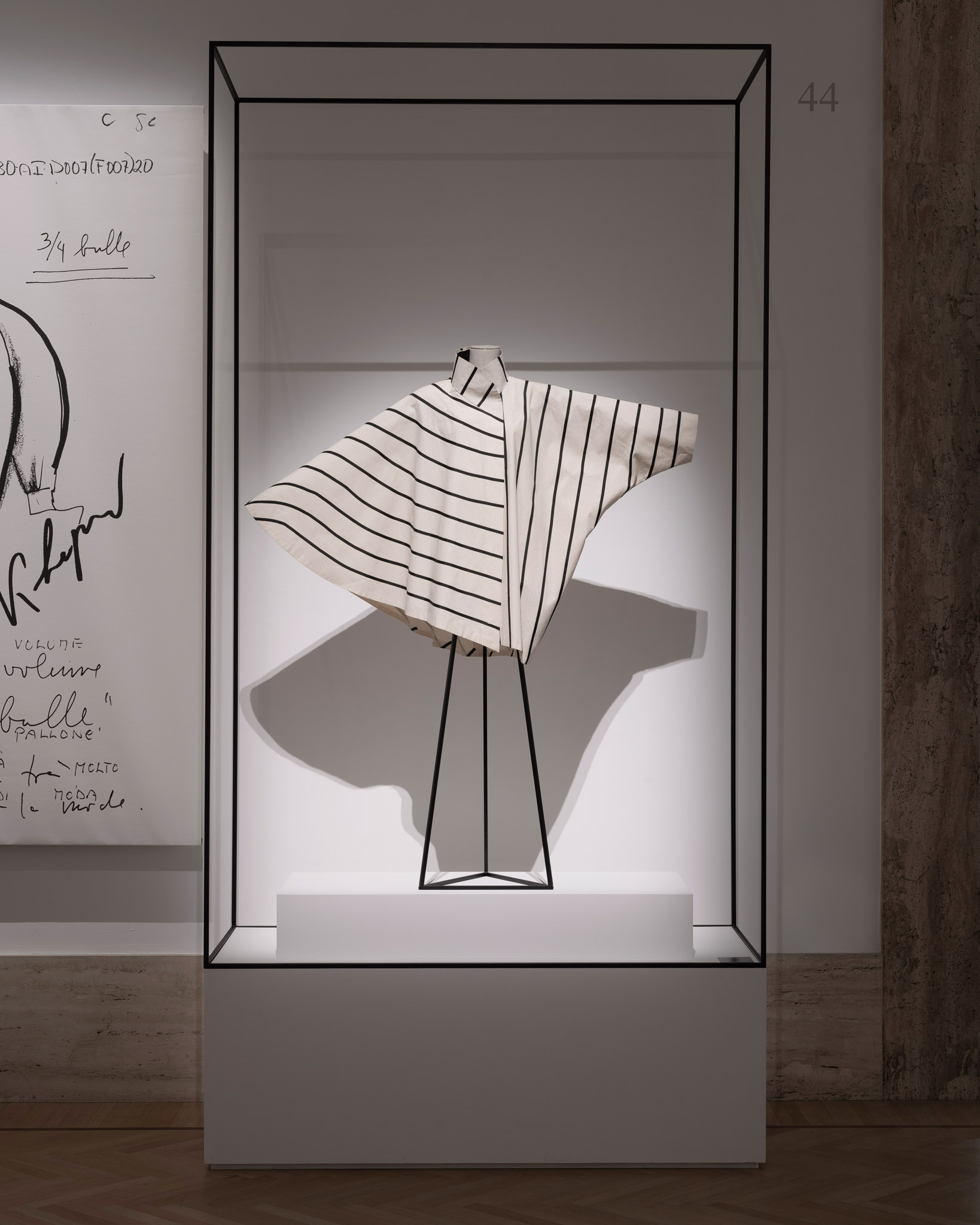
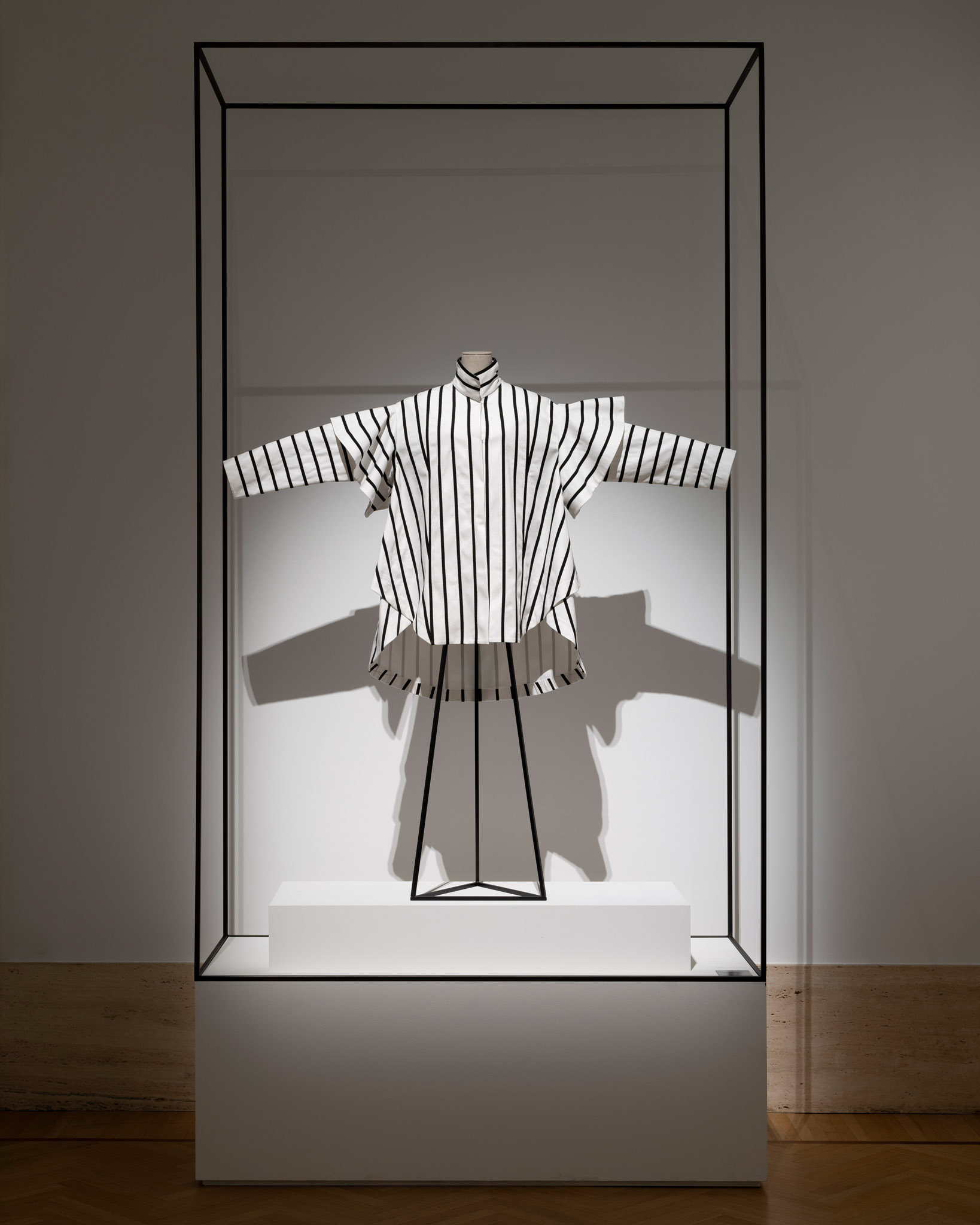
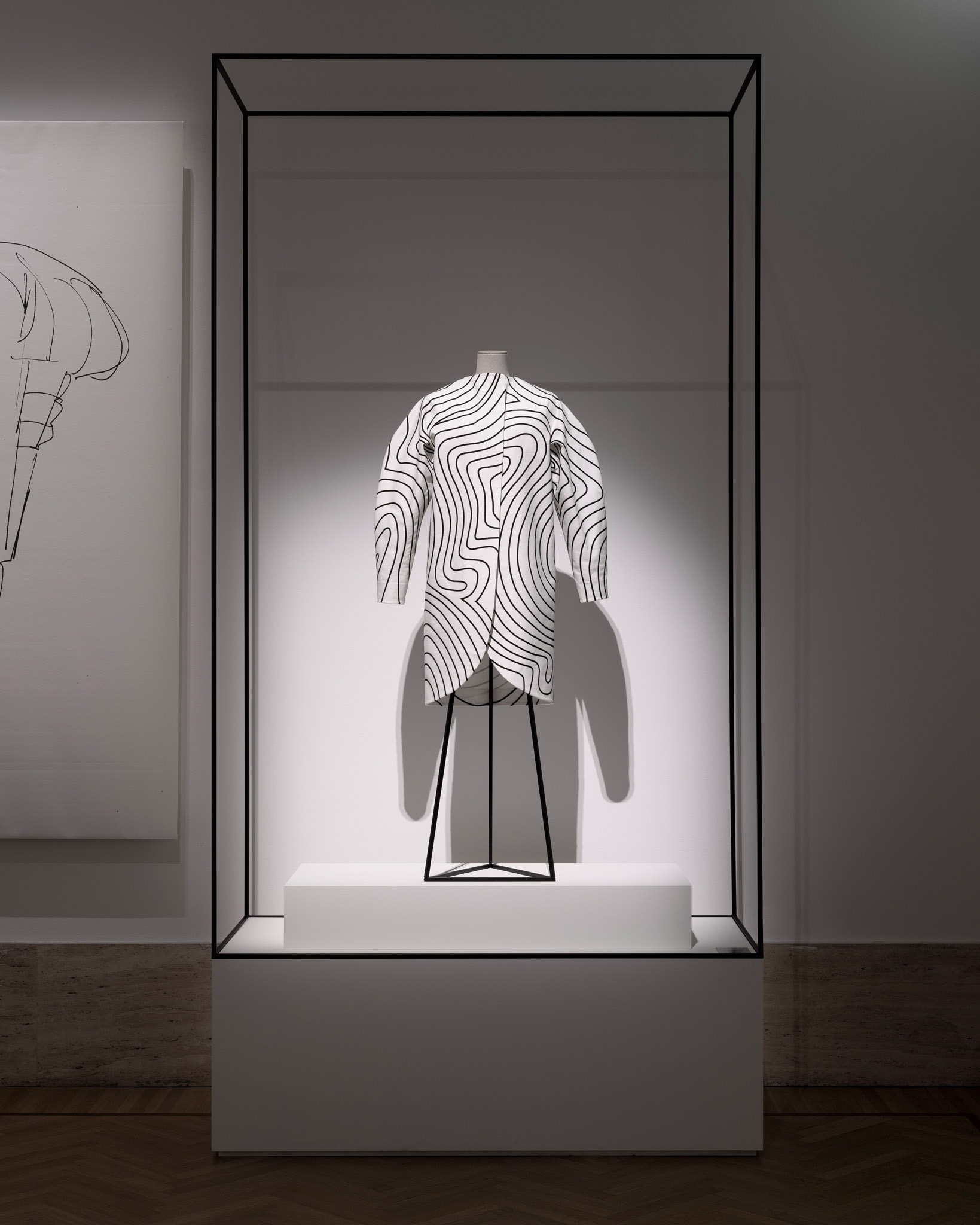
Toiles are used in the initial interpretative stage of the process, when sketches are transformed into design frameworks. The toiles on display here have already undergone further development
(1985)

01
02

The original raw canvas model has been marked out with black tape, which guides the creation of the pattern and serves as a visual indication of the garment's eventual appearance, allowing the technician to visualize the final effect in essence. This striping functions as a kind of skeleton; a study that must be perfected before the process can move on to the next stage
(1985)

03 (1)
04 (1)