AFTER SAMPLE BOARDS
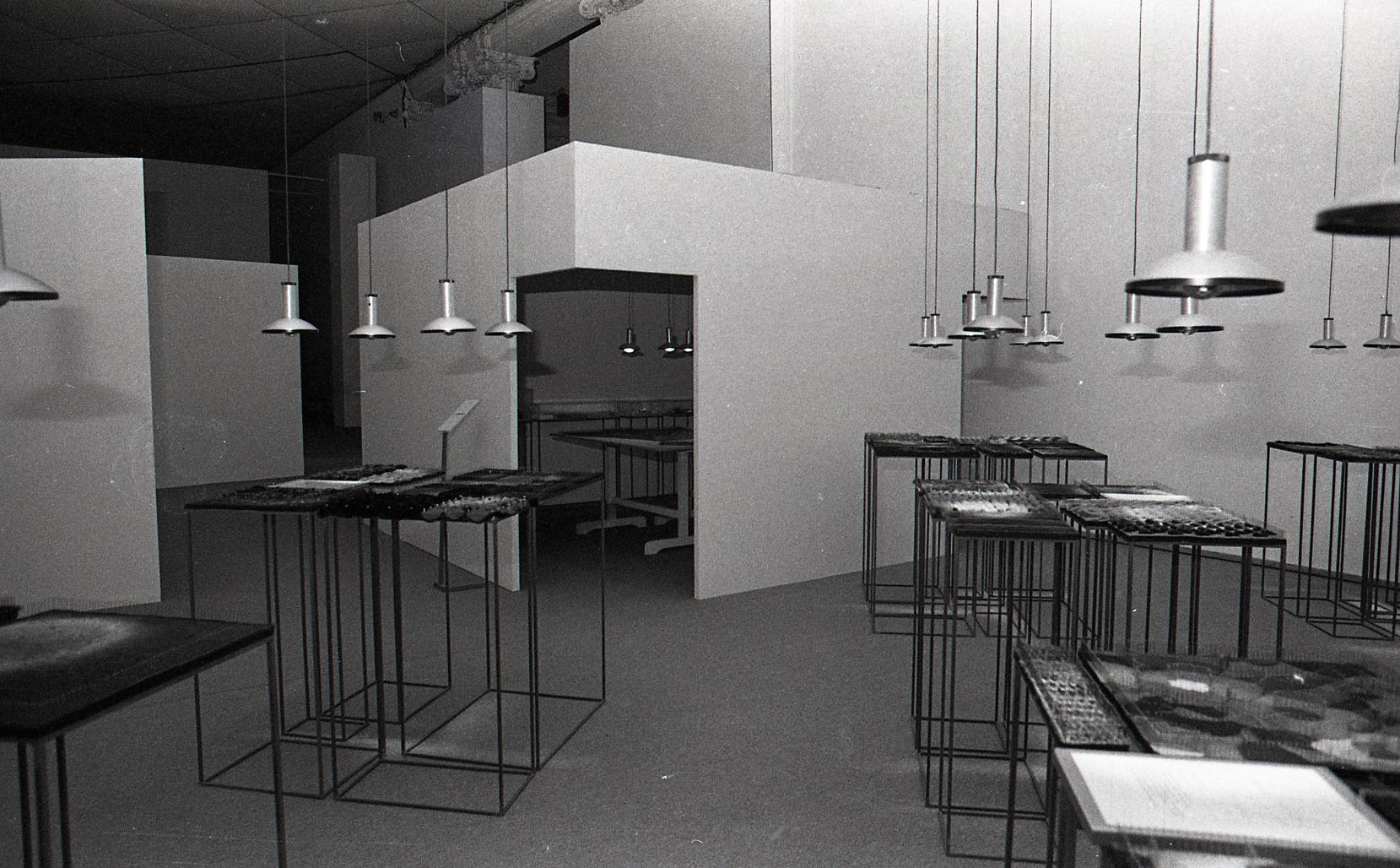
The sample board room is one of the most captivating sections of the 1985 exhibition and is presented here today almost unchanged. The sample boards visually express the experimentation carried out in Fendi's fur ateliers: from research into different types of fur to potential techniques, tanning and dyeing methods, and finally, to the infinite variations made possible by their daring, high-wire combinations
What we see before us is an expanse of landscapes in which each sample board becomes a narrative, an evocation, an abstraction. There’s Rome's skyline, abstract compositions, floral motifs and geometric patterns
Today, this room affirms the hierarchical relationship between the material and the immaterial. Material is continually challenged and combined in unprecedented ways, generating striking effects and transgressing the conventions of traditional fur-making. In Karl Lagerfeld's vision, realized through the expertise and collaboration of the Fendi sisters, material becomes endlessly malleable, capable of being shaped to its furthest limits
(2026)
Lit by a series of spotlights, these sample boards showcase a selection of techniques developed by Fendi over twenty years of experimentation. They bring together examples of different materials transformed through techniques developed from piece to piece
As Fendi sought to redefine fur for a changing age, the material itself underwent continual transformation, becoming ever more remarkable and precious. Just as textile design relies on constant research and innovation, fur craftsmanship follows its own parallel path of research. Rather than relying on the technologies used in fabric production, Fendi enhances and refines artisanal techniques developed by hand, many of which are later simplified and adapted for industrial manufacture. This approach has paved the way for inlays, combinations of different furs, woven constructions, topstitching, inserts, lacquered finishes, front and reverse techniques, etc
(1985)