To honor the International Day for Biological Diversity, on May 22 2024, FENDI announced a two-year collaboration with AzzeroCO2 and the social cooperative La Nuova Arca for an inspiring urban biodiversity project to revitalize the pine forest in Falcognana, just outside Rome.
Restoring nature for the foster home
AzzeroCO2, a sustainability consulting firm founded by Legambiente and Kyoto Club in 2004, has partnered with FENDI to breathe new life into an endangered pine forest surrounding the foster home managed by La Nuova Arca, a social cooperative devoted to supporting women and children in need while guiding migrants and refugees on their path to integration.
The project is a demonstration of how environmental initiatives can spark profound social and economic benefits, especially in a setting that champions female empowerment. FENDI’s ambitious plan aims to secure and enhance the natural surroundings of the foster home, where mother–child families find refuge during challenging times. By transforming the area into a lush, biodiverse oasis within a vast agricultural landscape, the project supports nature and helps generate income.
To address immediate safety concerns, the centuries-old pinewood in Falcognana, once threatened by an infectious parasite, saw the removal of 14 dangerous maritime pines from the children’s playground. Additionally, 50 sick pines received targeted phytosanitary treatment to save them, and these have since been replaced with holm oaks—trees better suited to the local ecosystem. Alongside these measures, FENDI planted 14 Iholm oak trees along with 180 native plant species and established 5 vegetable gardens for the foster home, carefully selecting vegetation to enrich local biodiversity and support honeybees for increased honey production. The impact of these interventions is already evident. The foster home’s surroundings are now secure, allowing children to freely enjoy outdoor spaces. The cooperative benefits from new cultivation areas equipped with efficient irrigation systems that save water and support educational initiatives during summer camps for youths from disadvantaged backgrounds.
A comprehensive analysis, reveals impressive results for the only six months of the project : a 10% increase in floral availability, an 10% improvement in soil suitability for pollinators, and a striking 123% surge in nectar potential.
In essence, the Urban Biodiversity Project is a powerful example of how restoring nature can create a virtuous circle of environmental, social, and economic benefits for the community.
FENDI employees supporting local change
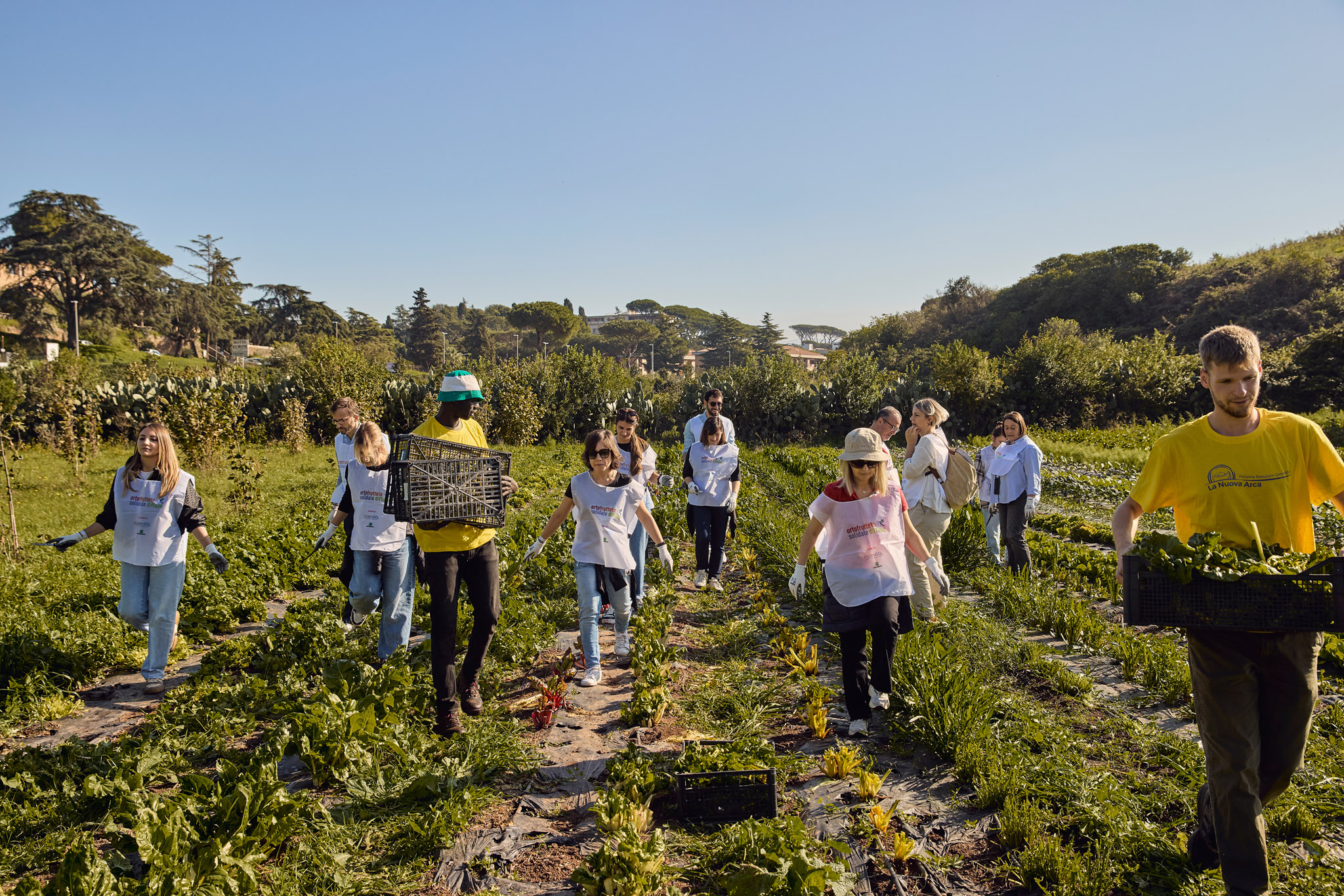
FENDI employees continued their community engagement through a corporate volunteering program that integrates environmental commitment with social responsibility. This initiative involves collaboration with La Nuova Arca, a cooperative dedicated to supporting individuals at risk of social exclusion.
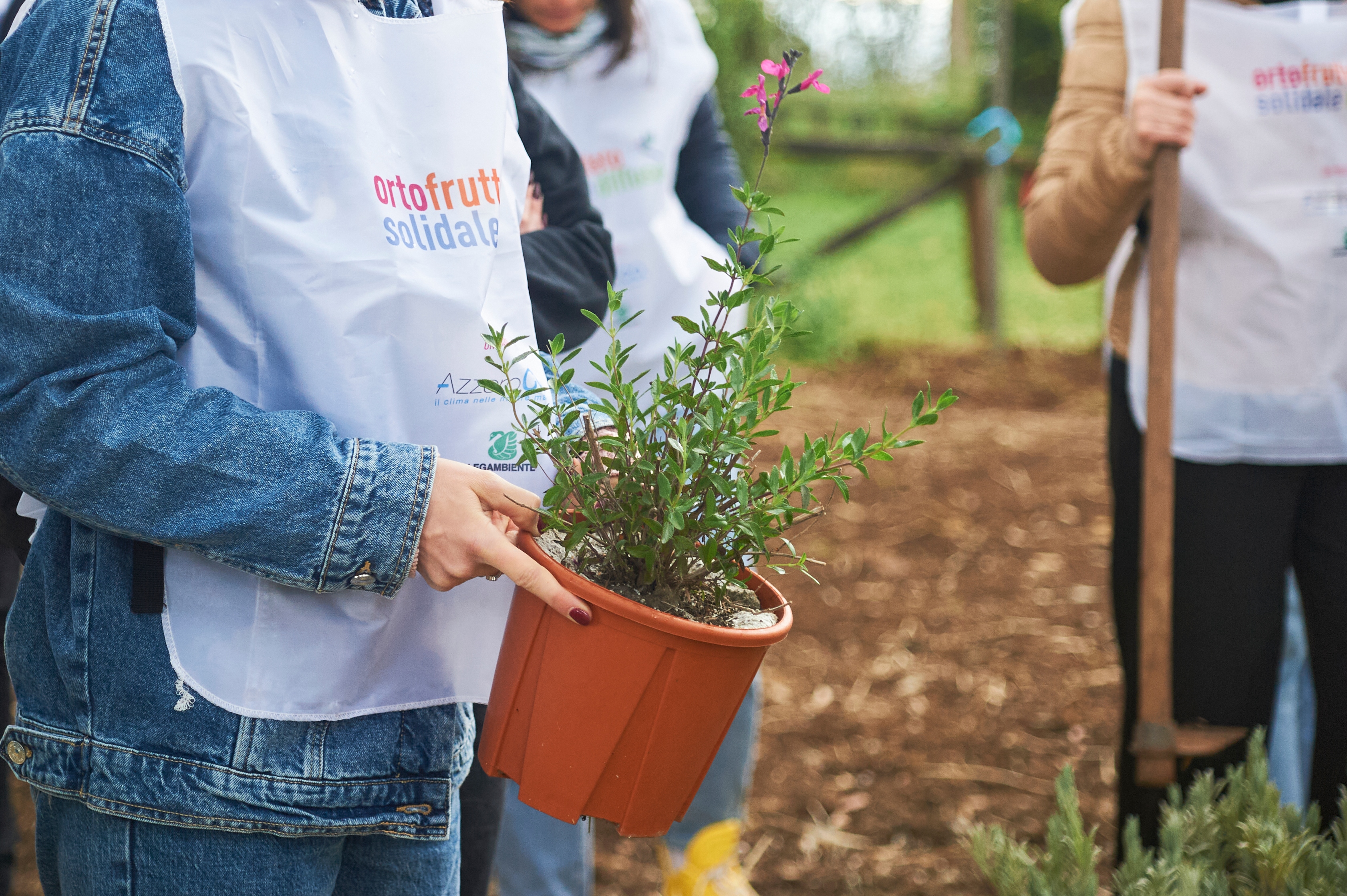
In 2024, FENDI employees actively supported the biodiversity project, contributing to the development and care of green spaces:
- Approximately 100 new plants were planted.
- Five wheelchair-accessible raised beds in wooden boxes were built.
- The existing organic garden was cared for and maintained.
- Further melliferous (pollinator-friendly) and edible species were planted to enrich biodiversity.
- A sensory garden was maintained for both educational and recreational use.
Building on the success of previous efforts, FENDI's commitment to environmental stewardship and community support continued into 2025 with significant initiatives:
- A substantial planting of 800 lavender plants has been/is being completed.
- A dedicated lavender garden has been/is being established.
- This garden is purposed for the production of essential oils.
- This initiative significantly enriches the local ecosystem.