Textile

_MG_3638

An experimentative Maison since its dawn, FENDI has been continuously researching and exploring innovative fibres to craft exquisite, beautiful textile pieces with a reduced impact on our planet
 

Fendi’s commitment to ethical material sourcing


FENDI’s respect for such materials is the driving force behind its commitment to work with raw materials sourced ethically and manufactured with consideration for both people and the environment.

In 2025, 81% of FENDI textile materials were certified under the main existing standards for social and environmental requirements.
Fabric volumes purchased in 2025

  • Cotton 59%
  • Wool & Precious Wool 17%
  • Polyester 10%
  • Polyamide 6%
  • Silk 4%
  • Viscose 4%

Cotton


FENDI acknowledges the significant environmental impact of cotton, a pivotal fibre in its products. .

Alingned with the LVMH LIFE Targets, FENDI is actively exploring more environmentally and socially responsible alternatives to conventionally farmed cotton. This includes increasing the use of GOTS (Global Organic Textile Standards) and OCS (Organic Content Standard) certified organic fibers. 

FENDI’s ambitious target is to source 90% more sustainable cotton by 2026. This commitment includes a diversified portfolio of alternatives such as :

  1. Organic cotton certified by GOTS and OCS ;
  2. Cotton derived from regenerative agriculture practices;
  3. Recycled cotton fibres.


FENDI's RESULTS
88 %

Sustainable cotton

FENDI's TARGET
100 %

Sustainable cotton

cotone_1

Wool and precious wool


At Fendi, we are deeply committed to responsible and ethical practices in every aspect of our operations, including the sourcing of wool and precious wool. We proudly adhere to stringent certifications such as the Responsible Wool Standard (RWS) and the Sustainable Fiber Alliance (SFA), ensuring that most of our global wool supply meets the highest standards of ethical production.

With the adoption of these kinds of certifications, FENDI aims to embrace the best practices for responsible and ethical production of natural fibers, with particular emphasis on wool and cashmere. These stringent standards establish criteria for environmental, social, and economic sustainability, starting from animal welfare and pastureland management to supporting local communities involved in fiber production.

FENDI's RESULTS
94 % Wool
76 % Precious wool

Certified wool and precious wool

FENDI's TARGET
100 % Wool
100 % Precious wool

Certified wool and precious wool

Synthetic Fibres


FENDI has embarked on a journey to progressively replace virgin fossil-based synthetic fibres with recycled alternatives.

As part of this commitment, FENDI has proudly launched a partnership in 2021 with the renowned Italian company Aquafil, a global leader in sustainable synthetic fibre production. Starting with the Fall/Winter 2021-2022 collection, FENDI is amplifying the use of Aquafil’s ECONYL®: an innovative nylon fibre 100% regenerated from waste all over the world, encompassing fishing nets, old carpets, and other discarded materials. This pioneering nylon can be infinitely recycled without compromising its quality. 

7VZ072ALWOF0KR1_01

FENDI’s commitment extends to polyester, and the brand is working to replace new polyester fibres with Global Recycled Standard (GRS) certified polyester, giving new life and shape to post-consumer plastic bottles.

The iconic FF logo canvas exemplifies how FENDI integrates recycled polyester fibres.

8BR600A6V5F17U4_01_UC942942-(3) (1)

With a steadfast commitment, FENDI is working towards an ambitious target of sourcing more than 43% recycled polyamide and polyester by 2025.

FENDI's RESULTS
43 %

Polyamide certified fibers


FENDI's RESULTS
48 %

Polyester certified fibers

FENDI's TARGET
50 %

Polyamide and polyester certified fibers

Silk


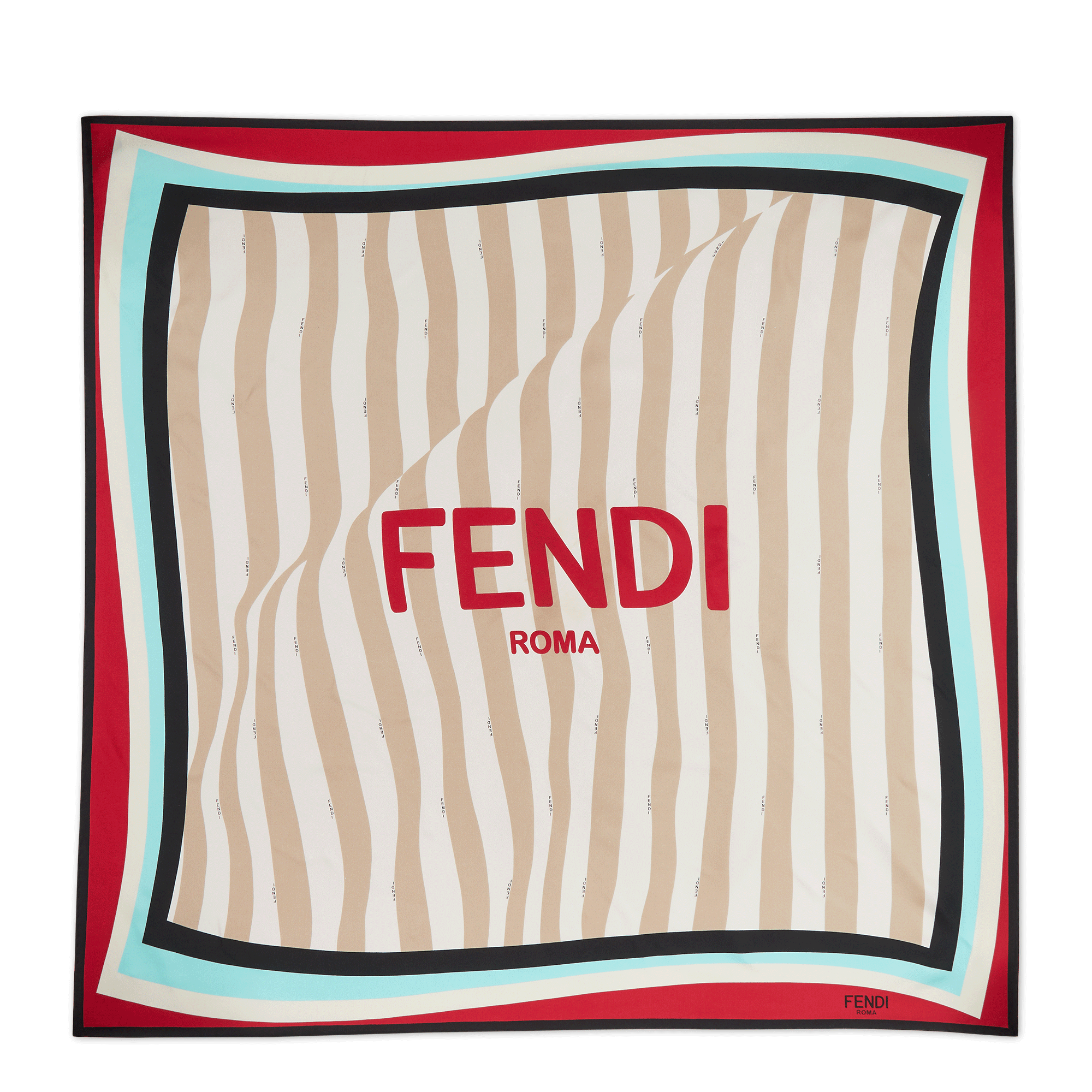
Embodied in a rich heritage of pluri-millennial craftsmanship, silk is the epitome of luxury textiles. In line with LVMH LIFE 360 targets, FENDI is committed to sourcing silk, prioritizing traceability, and preventing biodiversity. Our commitment extends to prioritizing GOTS-certified raw silk. This choice is not only environmentally conscious but also upholds ethical standards in mulberry cultivation by avoiding pesticides and herbicides.

FXT091AET5F0M1Y_01

FENDI is working towards an ambitious target of sourcing 100% more sustainable silk by 2026, incorporating a diverse range of alternatives into its portfolio that include : 

  1. Organic silk certified by GOTS and OCS
  2. Recycled silk fibres.


This commitment underscores FENDI’s dedication to advancing responsible practices within the silk industry, prioritizing choices of sourcing and methods of production conscious of our environmental footprint. 

FENDI's RESULTS
74 %

Sustainable Silk

FENDI's TARGET
100 %

Sustainable Silk

Viscose


Conscious of the environmental and social impacts of the viscose staple fibre and viscose yarn production, FENDI has crafted a specific responsible sourcing policy for this material, although viscose represents only a small proportion of its product volumes. Under this policy, FENDI actively promotes the procurement of viscose from responsibly managed forests under the Forest Stewardship Council (FSC) certification or the Program for the Endorsement of Forest Certification (PEFC).

FENDI is committed to collaborating only with suppliers who guarantee clean viscose production processes, emphasizing the efficient recirculation of chemicals and water. Furthermore, FENDI is increasing the integration of more responsible options, such as Lyocell, Tencel, and LENZING™ECOVERO™ into its practices.

Viscose
FENDI's RESULTS
95 %

Viscose certified fibers

FENDI's TARGET
100 %

Viscose certified fibers